
Use case
Website hero animations
A hero loop whose layout and motion are yours, with the look rendered by AI and the headline kept as real type on the page.
Templates: Chrome & glass hero, Liquid metal hero, Bento hero
Pick 5 or 10 seconds of a Paraplex scene, describe the look you want, photoreal or painted, and an AI video model restyles it while your layout and motion stay where you put them. The render lands as a video layer over the same stretch of the timeline, so the scene it came from is never overwritten.
Video to video, not text to video. Draft to Best 1080p. Runs from your browser.












The AI video model starts from frames you designed, not from an empty prompt, so it follows your composition and your motion.
Build
Lay out layers, lights and camera moves in Paraplex: by hand, from a template, or with the assistant.
Pick
Render the stretch of the timeline that needs the new look. The rest of the piece stays as it is.
Describe
Photoreal or painted, in a sentence. Pick Draft, Standard, Best 720p or Best 1080p, and Close, Balanced or Loose.
Compare
The render lands as a video layer over the same seconds. Turn it off and the scene it came from is right underneath.
Render with AI never paints over your work. The finished render arrives as a video layer that sits over exactly the seconds you chose, and the scene it was made from stays in the file, layer for layer and keyframe for keyframe. Hide the render to compare, then turn it back on to see the new look.
Because the render is an ordinary video layer, it trims, fades and plays on the timeline's clock like any other clip. Not quite right? Change the description or the Close, Balanced or Loose setting and render the stretch again; the scene underneath hasn't moved.
Text-to-video tools decide the composition, the timing and the camera for you, and a new prompt reshuffles all three. Render with AI works the other way round. You decide where everything sits and how it moves, in real 3D with real layers, and the AI video model only decides what it looks like: a photoreal product shot, a painted frame, or a material and mood Paraplex doesn't build in.
That makes the result easier to direct. A layout you already approved stays approved, and the camera move happens where you keyed it, because the model is restyling your frames rather than inventing new ones.
Want the assistant to build the scene first? See AI motion design.

Each render covers 5 or 10 seconds that you choose on the timeline. A Paraplex piece can run up to an hour, so put the AI look where it earns its place, such as a hero shot, a product reveal or the opening of a Short, and keep the rest as crisp, editable motion.
Match the quality to the moment: Draft for a quick look at the direction, Standard, then Best 720p or Best 1080p for the version you keep. Then set how closely it keeps to your scene. Close holds nearest to your shapes and edges, Loose gives the model the most room to reinterpret, and Balanced sits between them.
Every Paraplex plan renders real 3D: physically based glass, chrome and wood, lit by real lights and environments, with shadows and reflections. On Pro, Studio render adds path tracing for the final pass, so light bounces between surfaces more like it does in front of a camera. Both keep your scene exactly as built, with your type, colors and materials as set.
Render with AI is a different tool. It reinterprets your frames instead of lighting them, which is how you get a painted look, a photoreal mood your scene doesn't model, or a style that would take days to build by hand. Use it for the look, and keep exact brand colors, type and numbers in the real scene.
Have a single picture instead of a scene? Animate a picture turns a still, or the frame at the playhead, into a 5 or 10 second clip that moves as you describe, at Draft, Standard, Best 720p or Best 1080p, and drops it on the timeline as a video layer.
More on real 3D scenes in Paraplex.
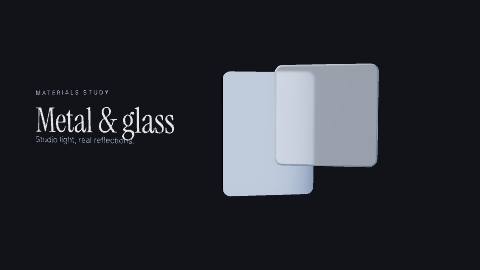
Glass and chrome on a plain studio ground give an AI video model clean shapes, clear light and steady motion to work from. Open one, make it yours, then render the moment that needs a new look.
Pieces where one striking stretch carries the moment, and the rest stays real, editable motion.
Use case
A hero loop whose layout and motion are yours, with the look rendered by AI and the headline kept as real type on the page.
Templates: Chrome & glass hero, Liquid metal hero, Bento hero
Use case
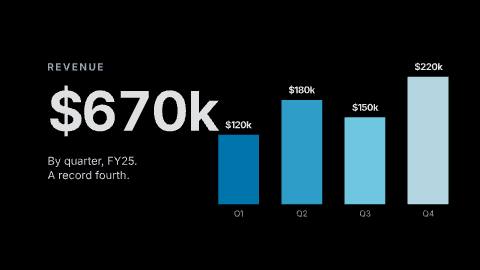
A product reveal or opening shot restyled photoreal, while names, features and prices stay exact in the scene around it.
Templates: Product launch, App launch, Kiln promo
Use case
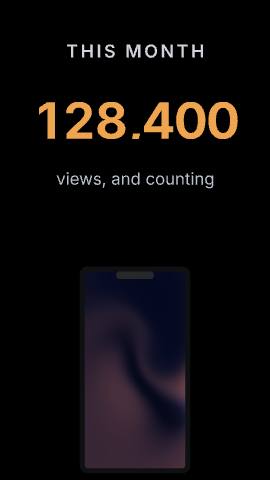
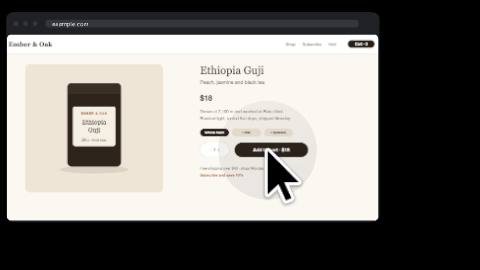
An opening few seconds in a look the feed hasn't seen, inside a vertical piece you can still edit and caption.
Templates: Match-cut stack, Kinetic stomp, Louder
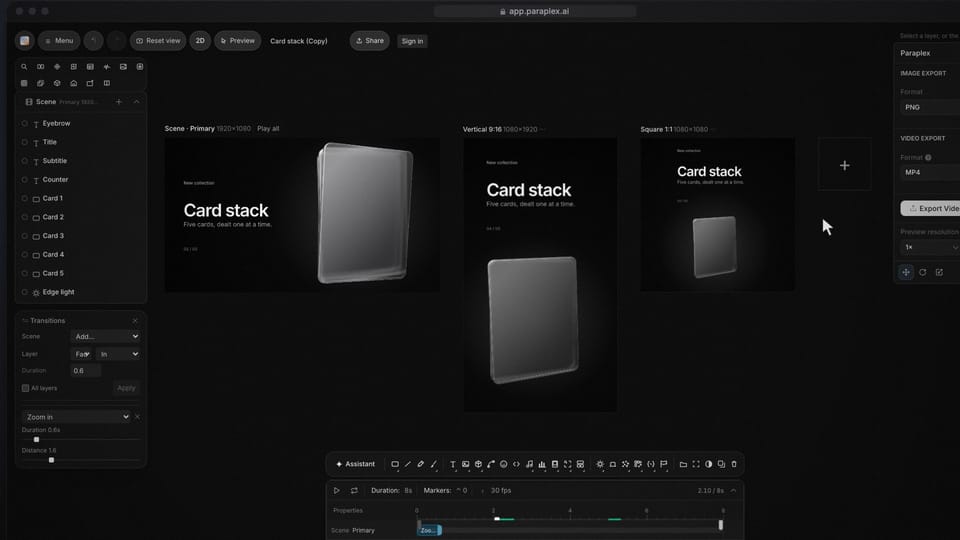
AI
Have the assistant build the scene from a sentence, keep every layer it makes editable, then render the look with AI.
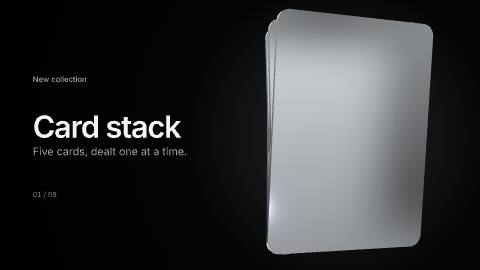
Templates: Card stack, glass, Glass cards, Chrome & glass hero
Video to video, from a scene you built
5 or 10 seconds per render
Draft, Standard, Best 720p or Best 1080p
Close, Balanced or Loose to your scene
Photoreal or painted, from a description
Lands as a video layer over the same stretch
The original scene kept underneath
Animate a picture: a still into a 5 or 10 s clip
A video-to-video tool inside Paraplex. Choose 5 or 10 seconds of a scene you built, describe the look, photoreal or painted, and an AI video model restyles those seconds while keeping the scene's layout and motion. The render lands as a video layer over the same stretch of the timeline.
Text-to-video invents the composition, timing and camera from a prompt. Render with AI starts from your own scene, so where things sit and how they move come from you, and the model only changes how it looks.
Each render covers 5 or 10 seconds that you pick on the timeline. A Paraplex piece can run up to an hour, so render the stretch that needs the new look and keep the rest as editable motion.
No. The render is a separate video layer over the stretch you chose. Your layers, keyframes, lights and camera stay in the file, and hiding the render shows the scene it came from.
They set how closely the render keeps to your scene. Close stays nearest to your shapes and edges, Loose gives the AI video model the most room to reinterpret, and Balanced sits between them.
Start with Draft to check the direction quickly, then render the version you keep at Standard, Best 720p or Best 1080p.
They do different jobs. Every plan already renders real 3D with physically based materials, light, shadows and reflections. Studio render, on Pro, adds path tracing for the final pass and keeps every material, color and letter as built. Render with AI reinterprets the frames to give them a new look.
Yes. Animate a picture turns a still, or the frame at the playhead, into a 5 or 10 second clip that moves as you describe, at Draft, Standard, Best 720p or Best 1080p. It lands on the timeline as a video layer.
Render with AI is in the editor on every plan, Free included, and each render uses Paraplex AI credits from your account.
Build a scene in your browser, pick the seconds that matter, and let an AI video model render the finish.
Paraplex is a browser-based 3D motion design studio with an AI assistant that edits real layers and keyframes.
Data and explainers
Type a script, pick an ElevenLabs voice, and the voiceover lands on the timeline with captions timed word by word.
Templates: Whiteboard explainer, The AI ROI gap
Brand and social
Give a particle cloud your SVG logo and it flies together into the shape, or trim a stroke so the outline draws itself on.
Templates: Logo swarm, From a dot, Logo match cut

Brand and social
Vertical cuts with safe zones for TikTok, Reels and Shorts, captions timed to the voice, and your brand's design system applied in one step.
Templates: Match-cut stack, Kinetic stomp, Louder
Brand and social
One version per spreadsheet row: columns fill headlines, prices and photos by layer name, and Export all variants renders them in one job (Pro).
Templates: On sale, Product launch
Web and slides
Export an MP4 or WebM loop, or publish a live embed that plays in real time and answers hover, click and scroll.
Templates: Chrome & glass hero, Liquid metal hero, Bento hero
Web and slides
Export a 16:9 or 4:3 video for a slide, or a transparent WebM on Pro to sit over your own background.
Templates: Title slide, Number slide, Chart drop
Whatever the job, a project starts from words, from a finished template, or from the files you already have. All three open in the same editor, and you can mix them in one scene.
01
Type what you want on the home page and click Make it. The assistant builds the scene from real layers and keyframes, and you Apply or Discard what it made.
Describe a scene02
62 finished templates in 13 categories, each built for you to swap in your words, pictures, logo, colors, data, music, video or voice.
Browse templates in Paraplex03
Drop screenshots, recordings, GLB models or Lottie files on the canvas, paste an SVG from Figma or HTML and React as a live layer, or upload a CSV for a chart.
Start with a blank sceneWhatever the job, the same scene exports for every place it runs. Add formats as artboards beside your frame, let Responsive framing re-stack blocks for each shape, and pin your logo to its corner. Then export MP4, WebM, a GIF or a Lottie, or publish a live embed for your site.
Export to
5 shapes
16:9, 9:16, 1:1, 4:5 and 4:3, or a custom size
Safe zones for
4 feeds
TikTok, Reels, Shorts and the Instagram feed
Up to
4K at 60 fps
on Pro; free exports run to 1080p, no watermark
Landscape 16:9 · YouTube, slides and your site
Vertical 9:16 · Reels, Shorts & TikTok

Portrait 4:5 · feeds on Instagram, X and LinkedIn
Render needed · FR-03
Paraplex for
Every channel wants its own cut. Build one scene, reframe it for 16:9, 9:16, 1:1 and 4:5 with safe zones for each feed, and keep every version on brand with a design system.
Templates: Stat drop, Match-cut stack, The AI ROI gap
Render needed · FR-04
Paraplex for
Every client has a brand, and every brand has revisions. Keep each client's colors, fonts and motion as a design system, apply it in one step, and share a link for review.
Templates: Logo match cut, Logo swarm, Whiteboard explainer
Render needed · FR-05
Paraplex for
Motion that has to fit the code. Paste HTML, React or a GSAP timeline as a live layer that exports frame for frame, or ship a live embed your page fills in by layer name.
Templates: Glass list hero (website loop), Liquid metal hero, Bento hero
Keep colors, fonts, text styles, materials, scene looks and motion as a design system, and apply it to any scene at once.
Export MP4, WebM, GIF, PNG or Lottie, or publish an embed that plays in real time on your site and answers hover, click and scroll.
Answer.
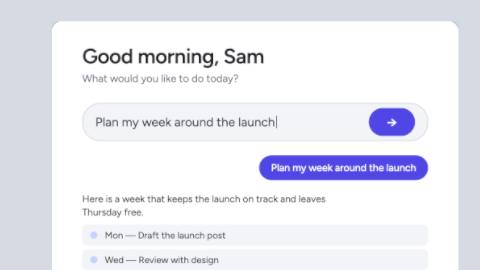
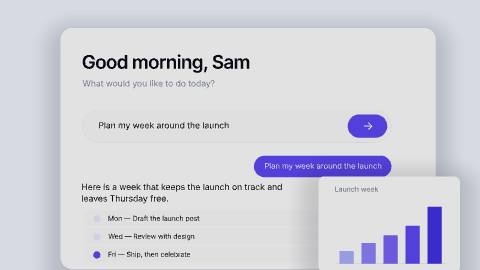
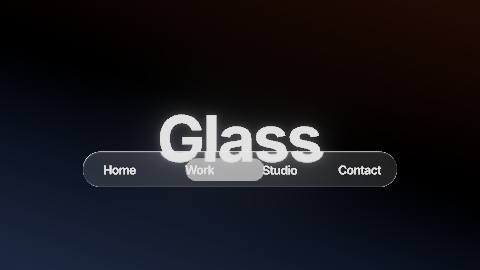
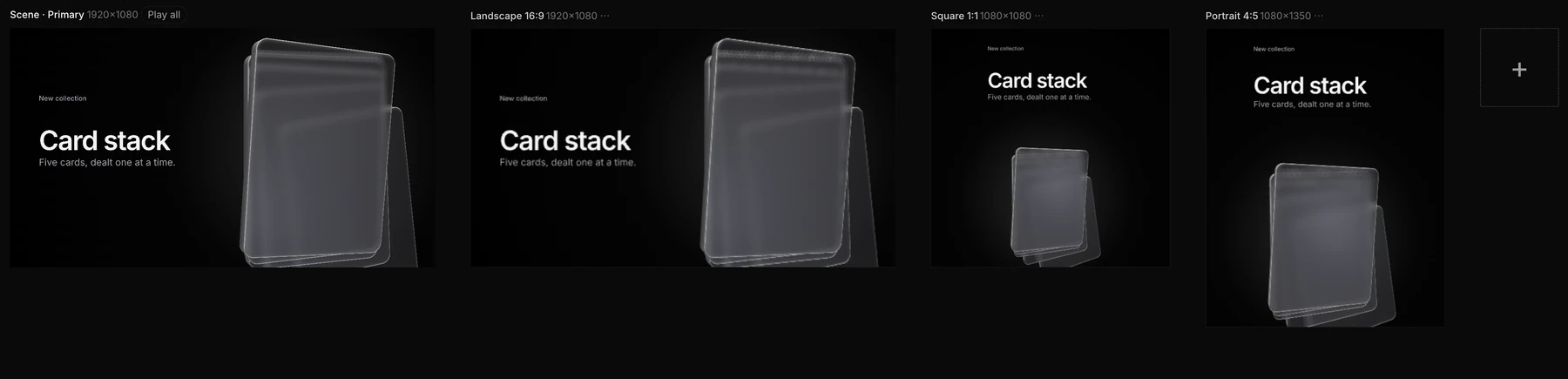
Screenshot · one scene on four artboards
Not available yet. Two things are on the way for marketing teams. The first is posting finished pieces straight to your linked social accounts.
The second is a long-form YouTube workflow for 3D documentaries, educational videos and tutorials: an outline and research, a voiceover, B-roll and generated 3D scenes, edits timed to the narration with music, sound and titles, landscape and vertical renders for each platform, and titles, descriptions and hashtags written for each post. Both will be listed here when they ship.
Coming soon · Render needed · MK-05
Concept: one documentary, every platform
Still or 10 s loop · 16:9 · concept, labeled as one
White clay documentary frame on a black seamless: torn-paper labels, a Polaroid and an investigative board in soft overhead light, with a vertical cut of the same shot beside the landscape frame. No colored panels.
“Every client has a brand.”
Keep each client's colors, fonts, text styles, materials, scene looks and motion as its own design system in your Library, and apply it to any scene in one step. A client's kit exports as one file to share with a teammate.
“The revisions never end.”
Copy a shareable link that publishes the piece as a web page, then refresh it after each round while the address stays the same. Notes on the canvas never export, undo has no limit, and each project keeps a History of recent saves to restore.
“The volume keeps growing.”
Start from 70+ editable templates that each say what to swap in, or save any scene as a template of your own. Data variants make one version per spreadsheet row, and on Pro, Export all variants renders them in one job.
“Every channel wants its own size.”
Add 16:9, 9:16, 1:1, 4:5 or 4:3 as artboards beside the frame, each reframed for its shape, with safe zones for TikTok, Reels, Shorts and the Instagram feed. On Pro, one export renders every enabled format.
The client's own fonts, saved in the project
Light and dark themes, or a brand and sub-brand, in one palette
Beat detection, so cuts land on the drum hits
Notes on the canvas that never export
Transparent WebM and PNG sequences (Pro)
Live embeds the client's site fills in by layer name
AI images and 3D models from a sentence
Components that follow the master's edits
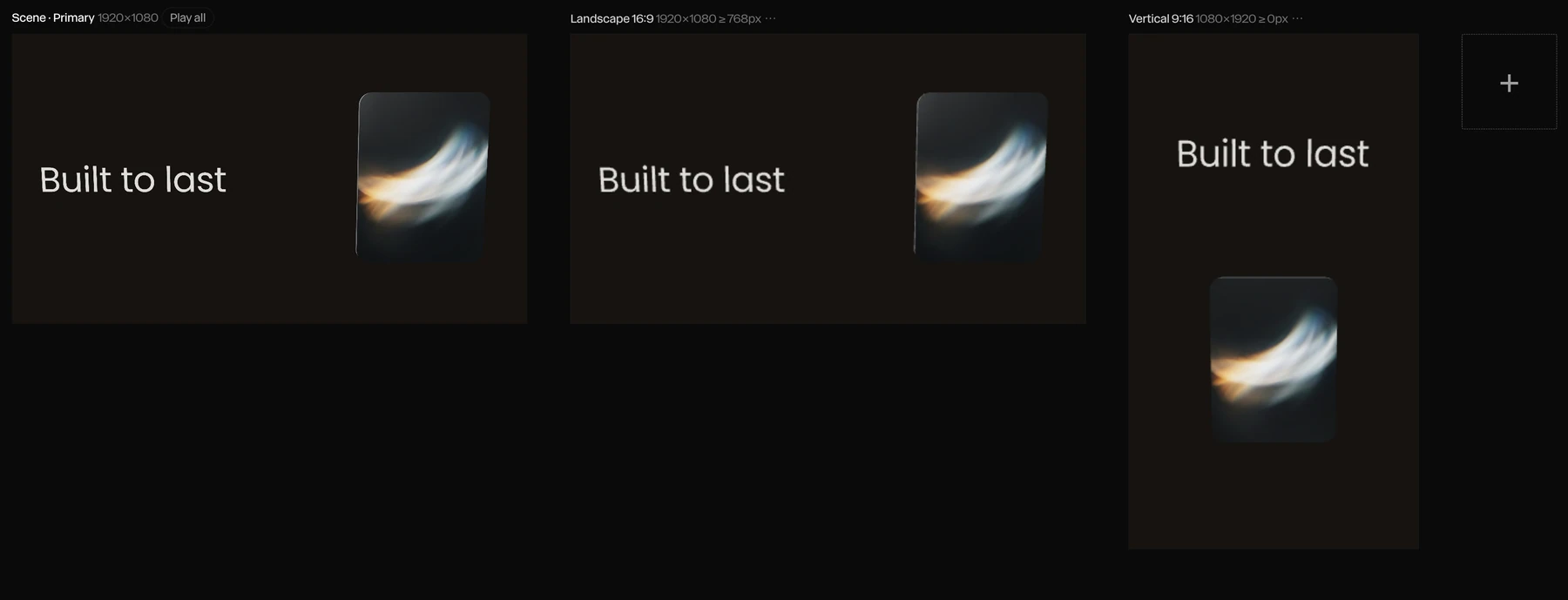
Screenshot · responsive artboards
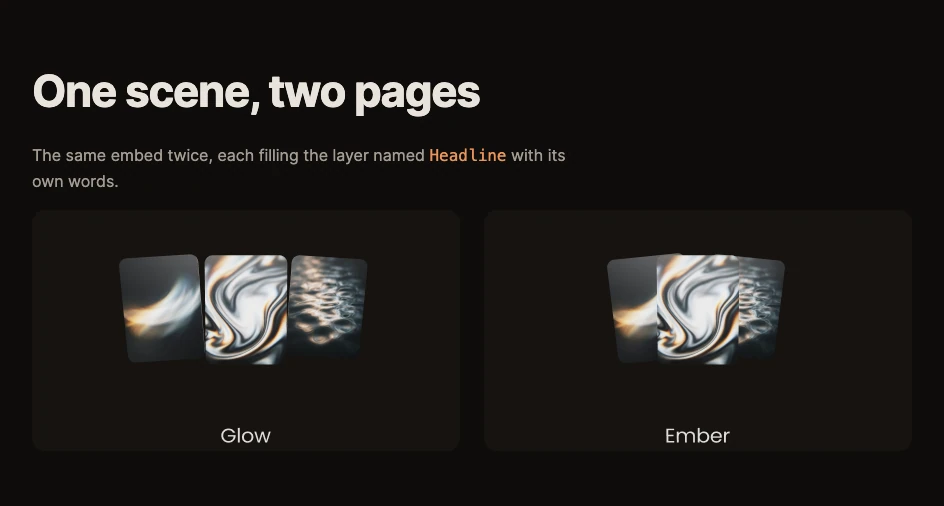
Screenshot · one embed, filled by name two ways
Link layers to your palette and give each color a value per theme. Switch the embed's theme from your page and every linked layer follows, so the scene matches your site in light mode and in dark mode.
Bring the whole design system along, with its colors, fonts, text styles and materials, and apply it to any scene in one step.
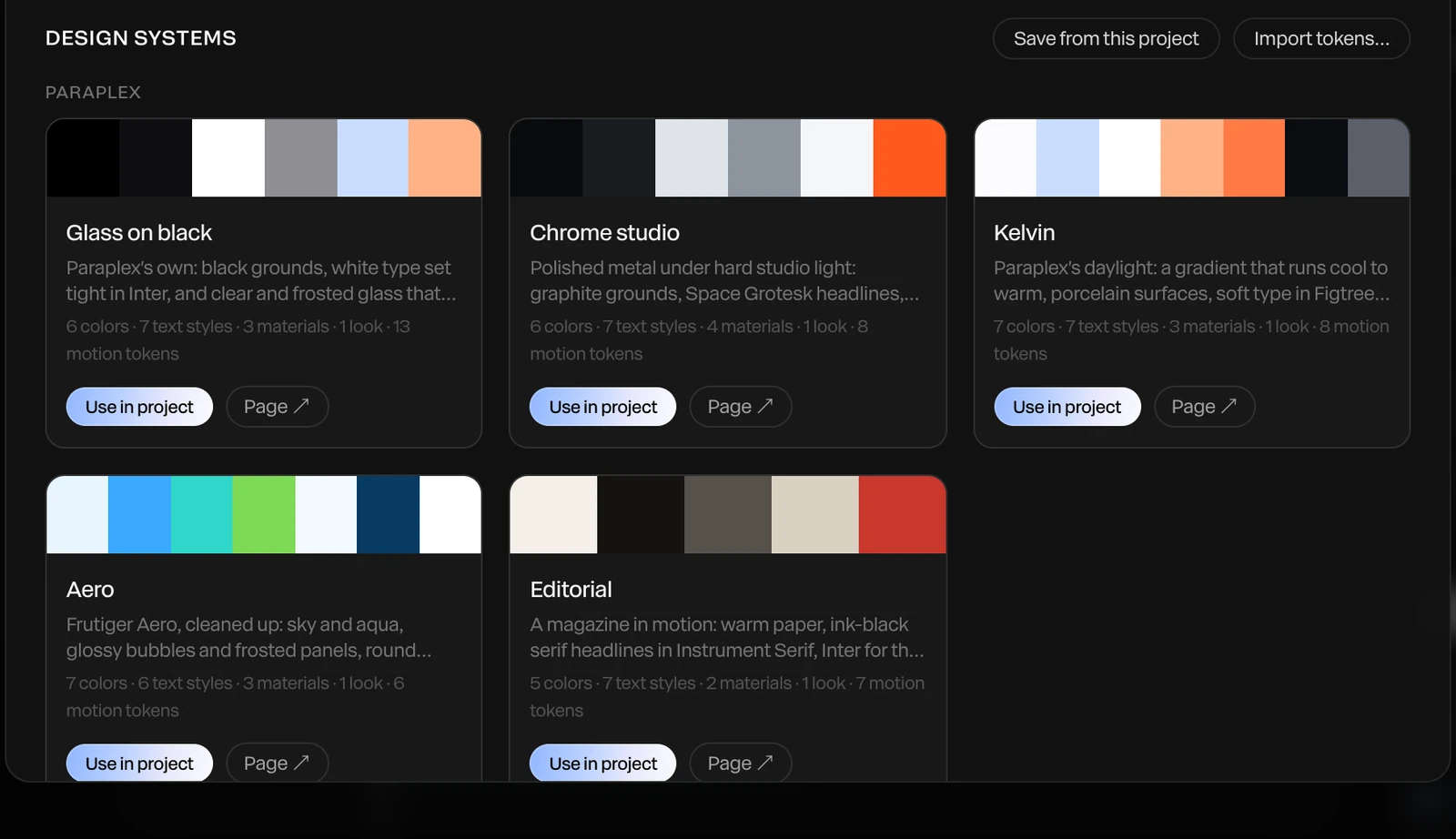
Screenshot · your design systems
Code layers bring HTML, CSS, JavaScript or React into a scene, flat over the frame or as a card in 3D. In an embed they keep running and respond to the pointer, so a live counter or a slice of your product's UI can sit inside the 3D scene on your site.
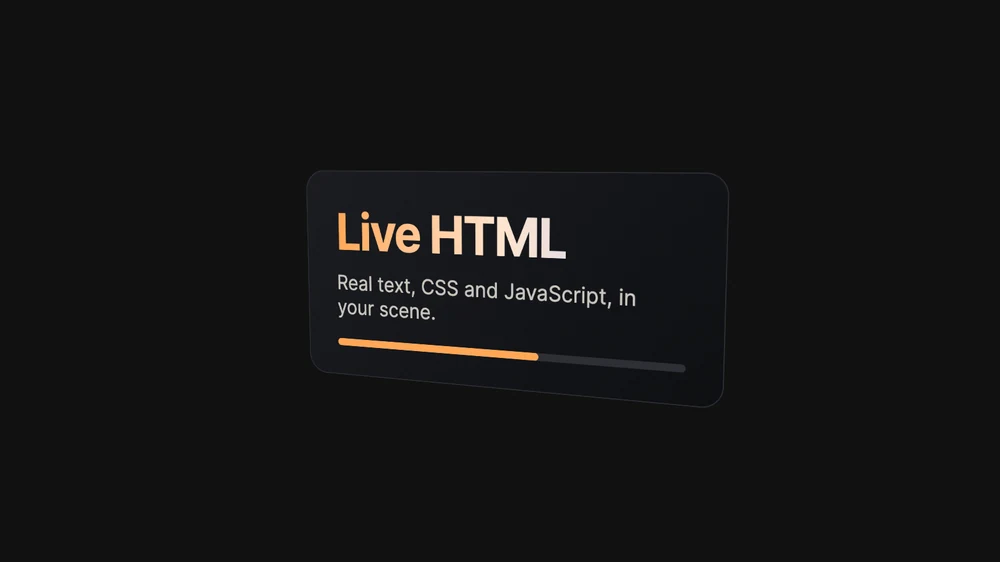
Screenshot · a live HTML card in a 3D scene
Camera
Let viewers Orbit, Look around like a panorama, Walk with W A S D or two fingers on a phone, or keep the camera Fixed.
States
Idle loops, presses that play once and hold, and held poses, switched by clicks, the pointer, a delay or your page.
Keyboard
Every interactive layer gets a keyboard-focusable stand-in, so visitors can reach it with Tab and press it with Enter.
Reduced motion
Visitors who ask their device for less motion see the first frame held instead of the animation.
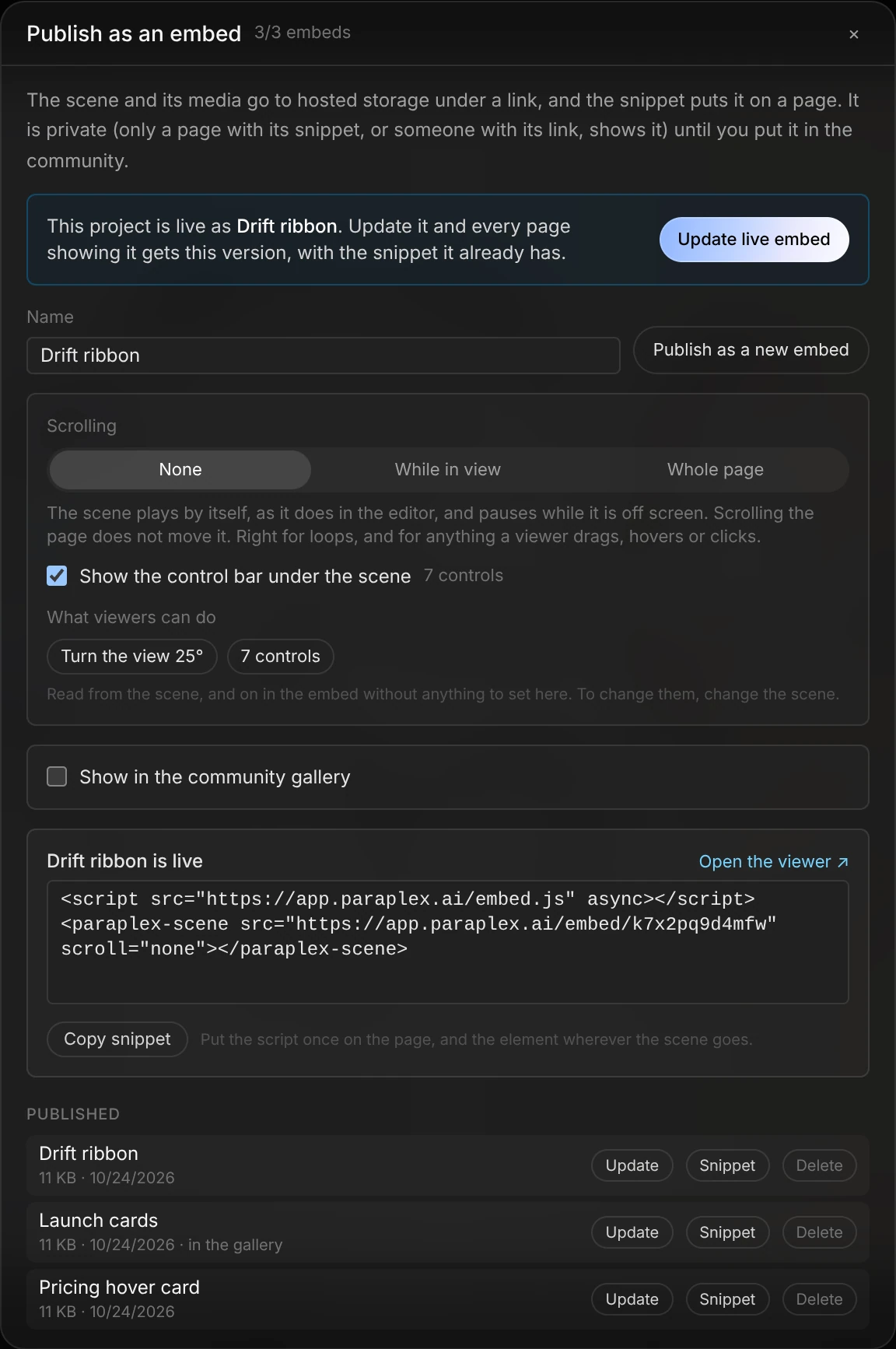
Screenshot · publishing a live embed



Render needed · SR-00
Record, stop, and it's already zoomed
10–12 s loop · 16:9 · MP4, WebM and poster
Screen capture of the editor: Menu › Record screen…, pick a tab, a few seconds of real work in a neutral grey web app (a menu opens, a field is typed in), Recording pill › Stop. Cut to the recording landing on its rounded card over the soft gradient and playing back with its automatic zooms. Interim: media hub still ui-still-screen-recording once uploaded.
Render needed · SR-02
Editing an automatic zoom on the timeline
8 s loop · 16:10 · MP4, WebM and poster
Screen capture: a recording's zoom keyframes selected on the timeline; drag one later, change Zoom strength from Medium to Close, scrub to show the new move. Neutral UI, no colored panels. Interim: media hub still ui-still-timeline.
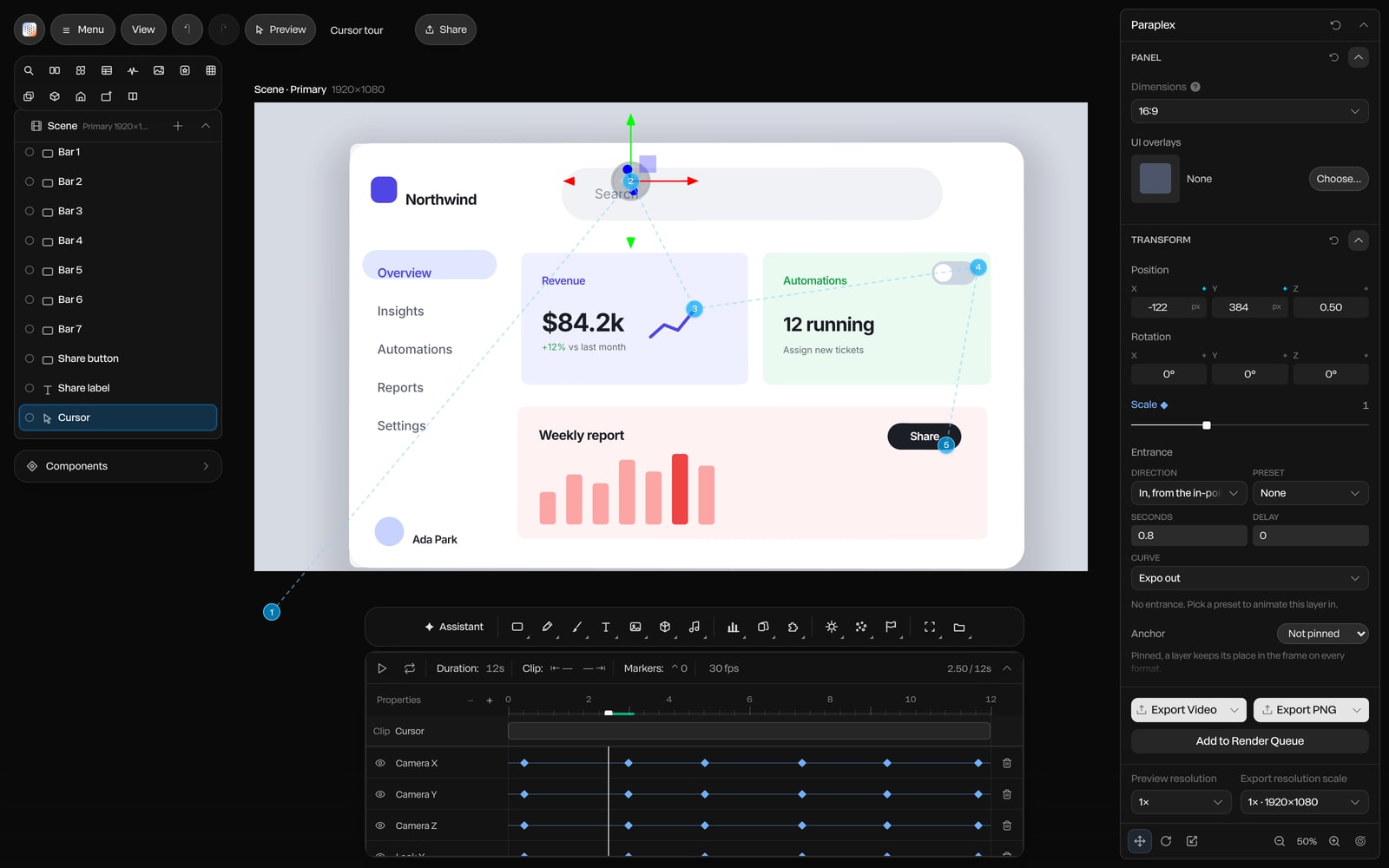
Screenshot · a cursor path over a browser frame